Who Can Register a Death?
A Guide for Families in the UK
When someone close to you dies, there are several important practical steps that need to be taken. One of the first is registering the death with the local register office.
However, if you are arranging a funeral for the first time, you may not know who is responsible for registering the death or whether you can do it yourself.
So, who can register a death?
In England and Wales, a death can usually be registered by a close relative of the person who has died. However, if a close relative is not available, there are other people who may be able to register the death, including someone who was present when the person died or the person responsible for arranging the funeral.
At Stephen M. Godber Funeral Directors, we understand that dealing with these practical responsibilities can feel overwhelming while you are grieving. In this guide, we explain who can register a death, what information you will need and what happens during the registration process.
Who Can Register a Death?
The rules around who can register a death depend on the circumstances surrounding the death.
In England and Wales, the person registering the death will generally be a relative of the deceased. Stephen M. Godber Funeral Directors advises that the following people may be able to register a death:
- A close relative of the deceased
- A relative who was present during the deceased's last illness
- A relative living in the area where the death occurred
- Someone who was present when the death occurred
- The person arranging the funeral
This means that you do not necessarily have to be an immediate family member to register a death.
If you are unsure whether you are eligible to register the death, you can contact the relevant register office for advice.
Can a Funeral Director Register a Death?
A funeral director can arrange many of the practical aspects of a funeral, but they do not automatically register the death on your behalf.
However, the person arranging the funeral may be able to register the death. This can be particularly useful where there is no close relative available to do so.
Your funeral director can also provide guidance about the registration process and explain what documents and information you will need.
At Stephen M. Godber Funeral Directors, our team is available to provide practical advice following a death and help families understand the steps involved in arranging a funeral.
Does the Next of Kin Have to Register the Death?
No. The next of kin does not necessarily have to be the person who registers the death.
A close relative will usually be able to register the death, but there are circumstances where another eligible person can do so.
For example, if a relative is unable to attend the register office, someone else who meets the requirements may be able to complete the registration.
If you are unsure who should register the death, it is best to contact the register office where the death needs to be registered.
Where Do You Register a Death?
In England and Wales, the death generally needs to be registered with the register office in the area where the death occurred.
Stephen M. Godber Funeral Directors advises families that the death must be registered within the jurisdiction where the death occurred. Most register offices operate by appointment, so you should contact the appropriate office to arrange a time.
The process can differ if the death occurred outside England and Wales, so you should seek specific guidance if this applies to you.
How Long Do You Have to Register a Death?
In England and Wales, a death normally needs to be registered within 5 days after you have been contacted by the medical examiner's office confirming that you can register it.
This includes weekends and bank holidays. There are different registration rules in Scotland and Northern Ireland.
If the death has been referred to a coroner, the process is different. The coroner will explain what happens next and tell you when and where the death should be registered.
What Information Do You Need to Register a Death?
You will need to provide the registrar with information about the person who has died.
This can include:
- Their full name
- Any previous names or aliases
- Their date and place of birth
- Their usual address
- Their occupation, or former occupation if retired
- The date and place of death
- Their birth certificate, if available
- Details of their spouse or civil partner, where applicable
- The Medical Certificate of Cause of Death
Having as much of this information available as possible can make the registration process easier.
The registrar will ask you questions to ensure the information recorded is accurate.
What Happens When You Register a Death?
During the appointment, the registrar will record the details of the death in the official register.
Once the registration has been completed, you will receive important documents.
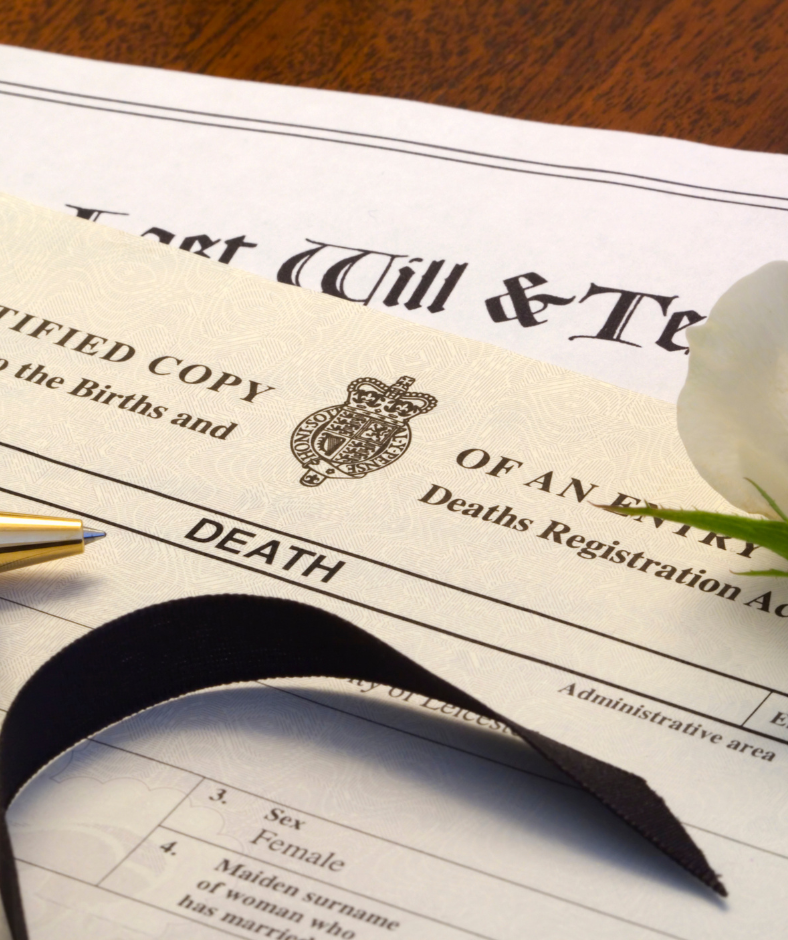
These include a Death Certificate, which is a certified copy of the entry in the register. You may need copies of the death certificate when dealing with organisations such as banks, insurance companies, pension providers and other financial organisations.
You will also receive a certificate for burial or cremation, sometimes referred to as the green form. This needs to be given to the funeral director, crematorium or burial authority before the funeral can take place.
You can usually purchase additional copies of the death certificate if you need them for managing the deceased's affairs.

What If the Coroner Is Involved?
Sometimes a death is referred to a coroner. This can happen for a number of reasons, including where the cause of death is unclear or certain circumstances surrounding the death require further investigation.
When a coroner becomes involved, the normal registration process can be different.
A doctor will not necessarily issue the usual Medical Certificate of Cause of Death. Instead, the coroner will investigate the circumstances and explain what happens next.
The coroner will inform you where and when the death should be registered and will send the relevant information to the registrar.
If this happens, you can still contact your funeral director and begin discussing funeral arrangements while the coroner's investigation is taking place.
What Happens After Registering a Death?
Registering the death is just one of the practical steps that need to be completed after someone dies.
Once the death has been registered, you may need to:
- Arrange the funeral
- Give the burial or cremation certificate to your funeral director
- Inform banks and building societies
- Contact insurance companies
- Notify pension providers
- Deal with the deceased's property and belongings
- Locate their will
- Begin dealing with their estate
- Notify relevant government departments
The Tell Us Once service can also help you notify many government departments about the death in one go.
There is no need to deal with everything immediately. Some matters can be addressed after the funeral, and your funeral director can help you understand which practical steps need to be prioritised.
Can a Funeral Director Help With Registering a Death?
While you will usually need to attend the registration appointment yourself, a funeral director can provide useful guidance throughout the process.
At Stephen M. Godber Funeral Directors, we have more than 30 years of experience supporting families with funeral arrangements. Our team can provide practical advice about what needs to happen following a death and help coordinate the funeral arrangements once the necessary documentation is available.
We understand that administrative tasks can feel particularly difficult at a time of grief. If you are unsure what to do next, you can contact us for advice.
Frequently Asked Questions
Can anyone register a death?
No. There are rules about who can register a death. A close relative will usually register the death, but other eligible people may be able to do so, including certain relatives, someone present at the death or the person arranging the funeral.
Does the next of kin have to register a death?
No. The next of kin does not necessarily have to register the death. Another eligible person may be able to complete the registration.
Can a funeral director register a death for you?
A funeral director can provide guidance and help with the practical arrangements, but they do not automatically register the death for you. The person arranging the funeral may be eligible to register the death themselves.
How long do you have to register a death in England?
A death normally needs to be registered within 5 days after the medical examiner's office confirms that you can register it. Different rules apply in Scotland and Northern Ireland.
Where do you register a death?
A death should normally be registered at the register office responsible for the area where the death occurred. Most register offices require an appointment.
What documents do I need to register a death?
You will need the Medical Certificate of Cause of Death and information about the deceased, including their full name, date and place of birth, usual address, occupation and date and place of death.
What happens if the death is referred to a coroner?
The registration process will be different. The coroner will investigate the circumstances and tell you when and where the death should be registered.