Dealing With Estate and Administration After a Death
Losing a loved one is an emotional and challenging time. Alongside grief, there are also practical responsibilities that need to be managed. Handling someone’s estate and administration after a death can feel overwhelming, especially if you’re unsure where to begin.
At Stephen M. Godber Funeral Directors, we understand how difficult this period can be. This guide aims to gently walk you through the key steps involved, helping you feel more prepared and supported.
What Is an Estate?
A person’s estate includes everything they owned at the time of their death, such as:
- Property and land
- Money in bank accounts
- Investments or pensions
- Personal belongings
It may also include any debts or financial obligations that need to be settled.
Registering the Death
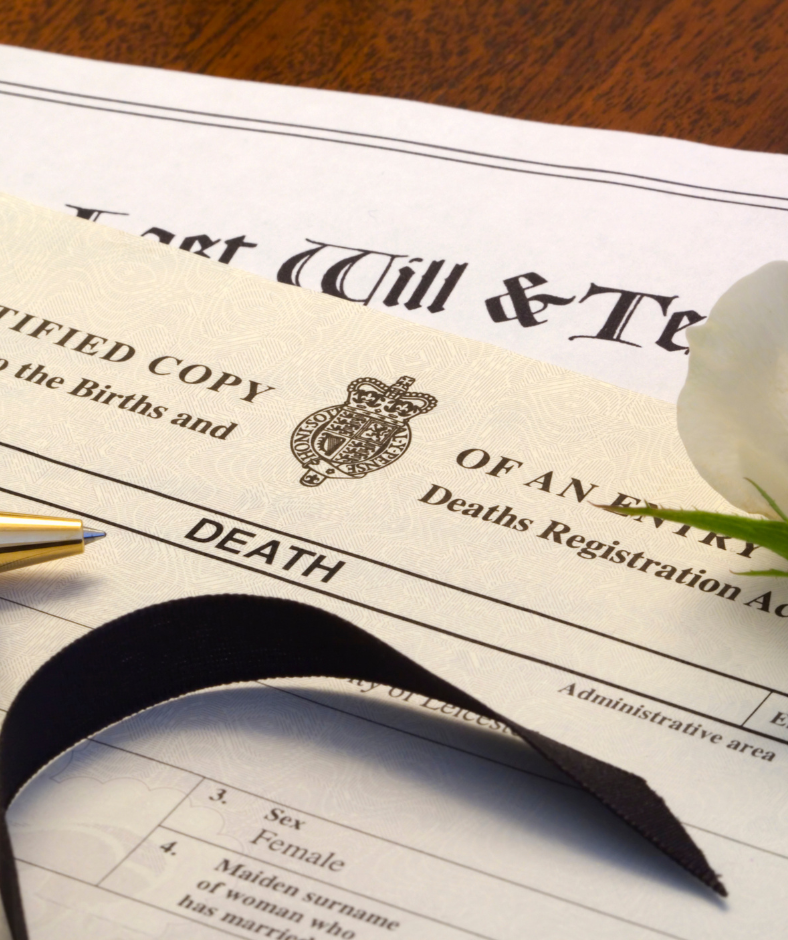
One of the first legal steps is to register the death. In the UK, this is usually done within five days.
You’ll receive important documents, including:
- The death certificate
- A certificate for burial or cremation
- Reference numbers needed to notify government departments
These documents are essential for managing the estate and dealing with financial institutions.
Check for a Will
A will outlines how the person wished their estate to be distributed.
- If there is a will, it usually names an executor who is responsible for carrying out those wishes.
- If there is no will, the estate is handled according to UK intestacy rules, and a close relative can apply to manage it.
If you’re unsure whether a will exists, it’s worth checking with family members, solicitors, or official will registers.
Applying for Probate
Probate is the legal process of gaining authority to deal with someone’s estate.
- If there is a will, the executor applies for a Grant of Probate
- If there is no will, a close relative applies for Letters of Administration
You may need probate to:
- Access bank accounts
- Sell property
- Distribute assets
In some cases (for smaller estates or jointly owned assets), probate may not be required.
Valuing the Estate
Before distributing anything, you’ll need to calculate the total value of the estate. This includes:
- Property valuations
- Bank balances
- Investments and savings
- Personal possessions of value
You’ll also need to identify any debts, such as loans, credit cards, or utility bills.
Inheritance Tax
Depending on the size and value of the estate, Inheritance Tax may need to be paid.
In the UK:
- There is usually a tax-free threshold (known as the nil-rate band)
- Anything above this threshold may be taxed
Tax typically needs to be paid before probate is granted, although there are ways to pay in instalments in some cases.
It’s often helpful to seek professional advice when dealing with tax matters to ensure everything is handled correctly.
Notifying Organisations
You’ll need to inform various organisations of the death, including:
- Banks and building societies
- Utility providers
- Insurance companies
- Pension providers
- Government departments
The UK’s “Tell Us Once” service can simplify this process by notifying multiple government bodies at the same time.
Paying Debts and Distributing the Estate
Once probate has been granted and all assets and liabilities are known, the next steps are:
- Pay any outstanding debts
- Distribute the remaining estate according to the will (or intestacy rules)
It’s important to ensure all debts are settled before distributing assets, as executors can be held responsible if this is not done correctly.
Take Your Time
There is no need to rush. Estate administration can take several months, and sometimes longer, depending on complexity.
It’s important to:
- Keep clear records of all transactions
- Communicate openly with beneficiaries
- Seek help when needed
You Don’t Have to Do It Alone
Handling estate administration can feel daunting, especially while grieving. Many people choose to seek support from:
- Solicitors
- Probate specialists
- Financial advisors
At Stephen M. Godber Funeral Directors, we’re here to offer guidance and point you in the right direction, helping ease the burden during this difficult time.
Need Guidance?
If you need advice or support following a bereavement, the compassionate team at Stephen M. Godber Funeral Directors is here to help.