What is Embalming?
A Complete Guide to the Process and Purpose
Embalming is a process often associated with funerals, but many people are unsure what it involves or why it is done. At Stephen M. Godber Funerals, we understand that this can be a sensitive subject, and we aim to provide clear, factual information to help families make informed decisions.
This guide explains what embalming is, why it is used, and what to expect during the process.
What is Embalming?
Embalming is the process of temporarily preserving a deceased person’s body, usually using chemical solutions. Its purpose is to:
- Delay decomposition
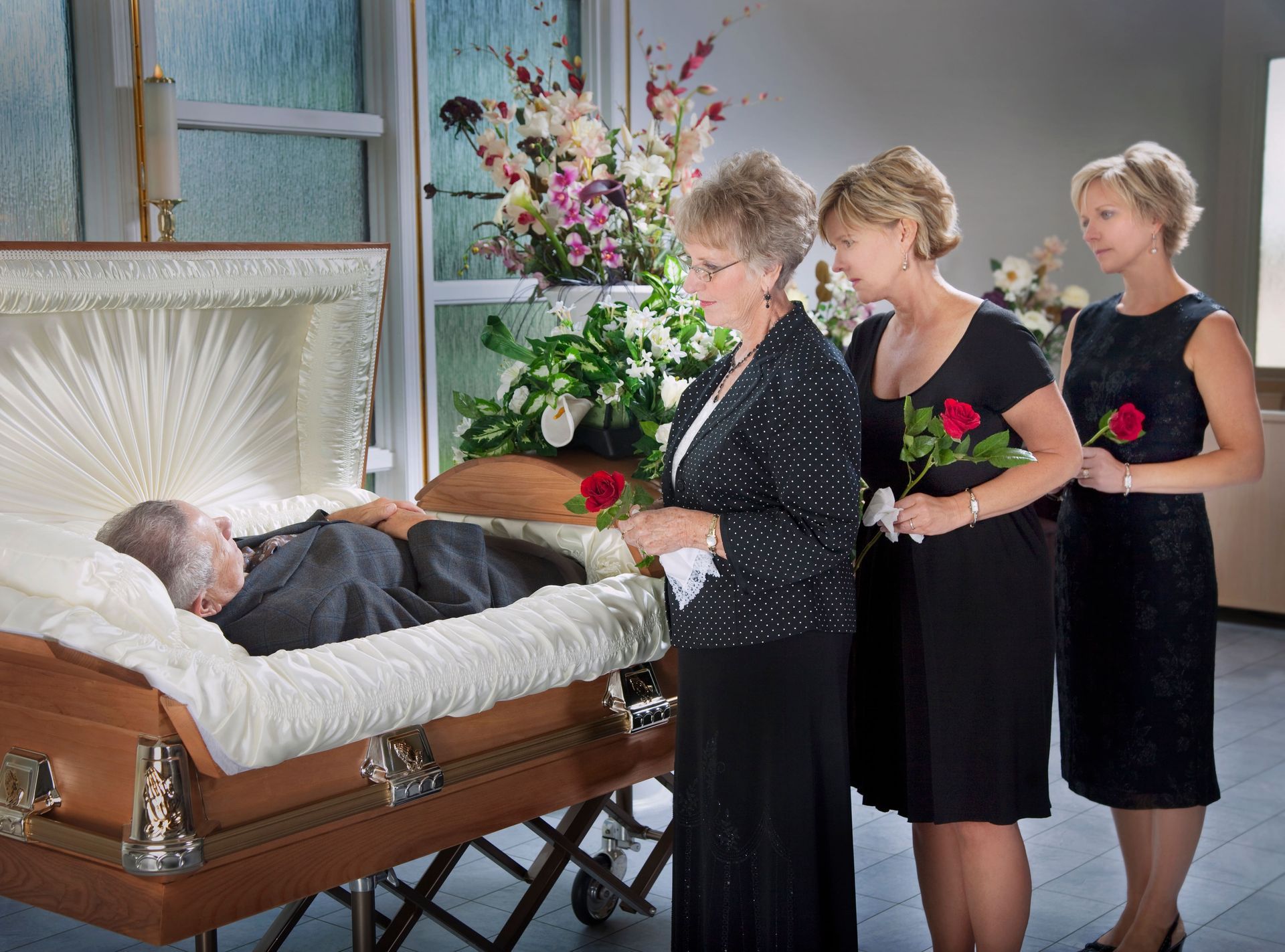
- Maintain a natural appearance for viewings or funerals
- Ensure hygiene and safety for funeral staff and visitors
While embalming does not permanently preserve the body, it can maintain its appearance and integrity for several days, which is particularly important for open-casket services.
Why Embalming is Done
Embalming may be requested or required for several reasons:
- Public viewings and funerals: To ensure the deceased looks presentable for family and friends.
- Transportation: If the body needs to be transported over long distances, embalming helps preserve it.
- Delay between death and burial/cremation: Embalming can maintain the body’s condition when services are scheduled several days after death.
- Hygiene purposes: It helps reduce the risk of bacteria or pathogens.
The Embalming Process
The embalming process typically includes several key steps:
- Cleaning and Disinfection: The body is carefully cleaned, and any wounds are treated.
- Arterial Injection: A preservative fluid, often containing formaldehyde, is injected into the arteries to slow decomposition.
- Cavity Treatment: Fluids are applied to the body cavities to preserve internal organs.
- Cosmetic Preparation: The body is groomed, and makeup or other treatments may be applied to create a natural appearance.
- Dressing and Presentation: The body is dressed and prepared for viewing or transfer to the funeral venue.
Stephen M. Godber Funerals ensures every step is carried out with dignity, respect, and professionalism.
Safety and Hygiene
Embalming uses chemical preservatives, so trained professionals must perform it. Safety protocols include:
- Protective clothing for staff
- Proper ventilation in the embalming room
- Safe handling and disposal of chemicals
These measures ensure the process is safe for both funeral staff and family members.
When Embalming is Required
Embalming is not always legally required in the UK. It may be recommended or requested in situations such as:
- Transportation abroad or long distances
- Open-casket services
- Delays in funeral arrangements
- Certain religious or cultural practices
Families can discuss options with funeral directors to decide what is best for their circumstances.
Alternatives to Embalming
Some families may prefer alternatives, including:
- Refrigeration: Temporary cooling of the body to delay decomposition.
- Direct cremation: No embalming is necessary.
- Natural burial practices: Using biodegradable materials without preservatives.
These options respect personal, cultural, or religious preferences while ensuring dignity.
Frequently Asked Questions About Embalming
Is embalming necessary for all funerals?
No. Embalming is optional in the UK unless the body needs to be transported abroad or for specific circumstances like delayed funerals.
How long does embalming preserve the body?
Embalming can maintain the body’s appearance for several days, usually enough for viewings and funeral services.
Is embalming safe?
Yes. When performed by trained professionals, embalming is safe and hygienic for both staff and visitors.
Can embalming be refused for religious reasons?
Absolutely. Families can request alternatives that align with their beliefs, such as refrigeration or direct cremation.
Does embalming affect cremation?
No. Embalming does not prevent cremation. The chemicals used are safe and do not interfere with the cremation process.
What is the environmental impact of embalming?
Embalming uses chemicals, such as formaldehyde, which can be harmful if not handled properly. While embalmed bodies are safe for funeral services, the chemicals may have an environmental impact if the body is buried long-term. Families concerned about sustainability may opt for refrigeration, direct cremation, or natural burial methods as environmentally friendly alternatives.
Embalming is a respectful and professional process that helps families prepare for funerals, viewings, or long-distance transportation. Stephen M. Godbers Funerals is committed to explaining your options and supporting you through this sensitive time, ensuring that every decision is handled with care and dignity.